


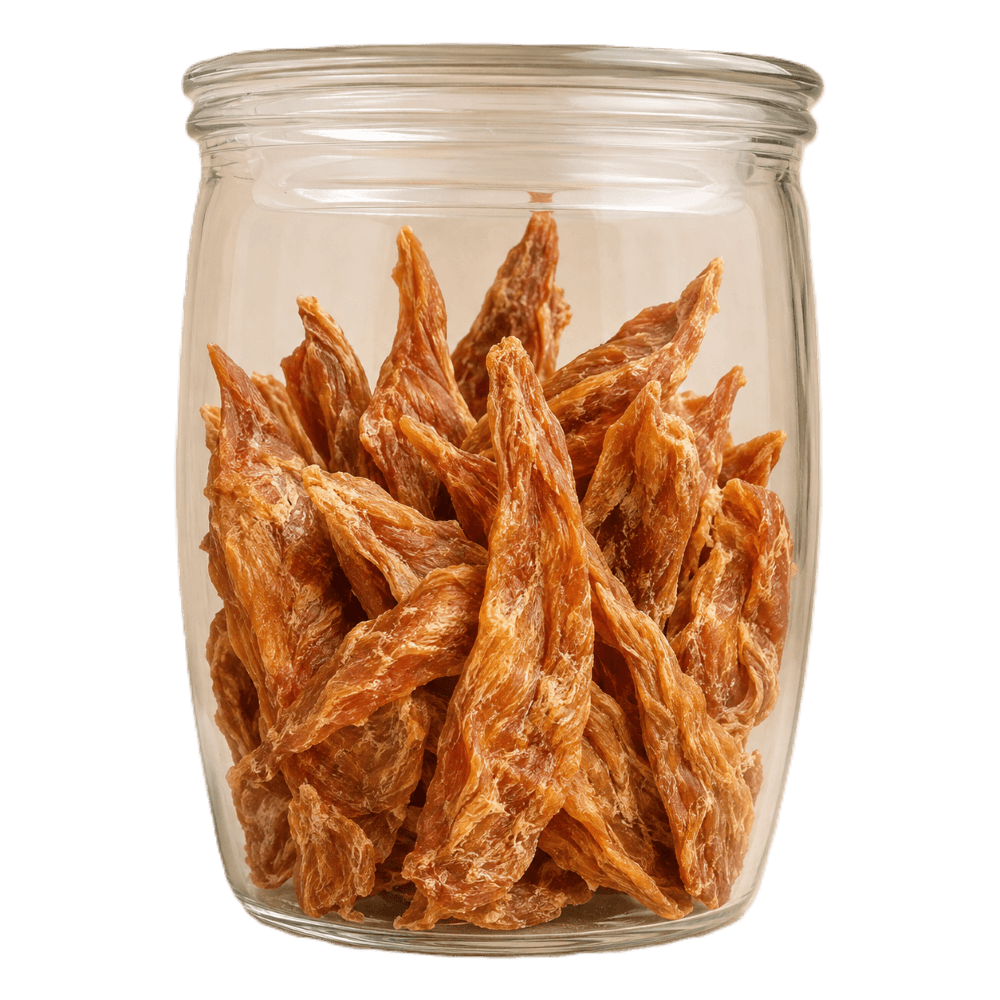
Chicken Breast Tenderloin
Price range: $22.00 through $65.00 — available on subscription
Our Chicken Breast Tenders are made from 100% chicken breast, gently dried to preserve their natural flavour and create an irresistible treat dogs will be excited to receive.
With no artificial colours, flavours or preservatives, these single-ingredient treats are a simple and wholesome choice for rewarding, training and sharing special moments with your dog.
Dog Size
- Small
- Medium
- Large
Protein Type
- Chicken
Age / Life Stage
- Puppy — Under 1 year
- Adult — 1–7 years
- Senior — 8 years and above


Ingredients
100% chicken breast

Contains
Naturally occurring protein and B-group vitamins

Suitable for
Dogs of different sizes and life stages when appropriately portioned

Feeding purpose
Occasional or supplementary treat only
A Naturally Delicious Treat Dogs Love
Our Chicken Breast Tenders are made from 100% chicken breast, gently dried to preserve their natural flavour and create an irresistible treat dogs will be excited to receive.
With no artificial colours, flavours or preservatives, these single-ingredient treats are a simple and wholesome choice for rewarding, training and sharing special moments with your dog.
Naturally Rich in Protein
Chicken breast is naturally rich in high-quality animal protein. Protein supplies essential amino acids that help support:
- healthy muscles;
- normal growth and tissue maintenance;
- healthy skin and coat;
- everyday energy and activity; and
- the body’s normal repair and maintenance processes.
Because the chicken breast is lean and skinless, these tenders provide a protein-rich treat without the higher fat levels found in some other meat products.
Naturally Occurring Vitamins
Chicken breast naturally contains several important B-group vitamins. These include:
Vitamin B3 — Niacin
Niacin helps the body release and use energy from food. It also contributes to normal nervous-system function and supports healthy skin.
Vitamin B5 — Pantothenic Acid
Vitamin B5 is involved in normal energy metabolism and helps the body process proteins, fats and carbohydrates.
Vitamin B6 — Pyridoxine
Vitamin B6 plays an important role in amino-acid and protein metabolism. It also contributes to normal red-blood-cell production, immune function and nervous-system health.
Vitamin B12 — Cobalamin
Vitamin B12 helps support normal cell function, red-blood-cell formation and the healthy functioning of the nervous system.
Chicken also contains smaller amounts of other naturally occurring nutrients, which may include vitamins B1 and B2 and minerals such as phosphorus, potassium, selenium and zinc.
The exact nutrient levels in a finished dried treat can vary according to the chicken, preparation method and moisture content. These treats should therefore be enjoyed as a supplementary food rather than relied upon as a vitamin or nutritional supplement.
Enrichment, Training and Connection
Treats are about more than taste. They can provide positive enrichment, strengthen the bond between dogs and their families and make training more enjoyable.
Chicken Breast Tenders can be:
- given whole as a special reward;
- broken into smaller pieces for training;
- hidden in enrichment toys or around the home;
- used during scent and searching games;
- offered as encouragement when learning new skills; or
- shared as part of a positive daily routine.
Their tempting natural aroma and flavour can help maintain a dog’s interest and focus during training. Breaking the tenders into smaller pieces also allows dogs to enjoy more rewarding moments without being overfed.
A Treat for Dogs of Different Sizes and Ages
Chicken Breast Tenders can be enjoyed by dogs of many different breeds, sizes and life stages. Their size can be adjusted by breaking or cutting the tender into an appropriate portion.
They may be suitable for:
- puppies that are old enough to eat solid treats;
- small dogs when broken into bite-sized pieces;
- medium and large dogs;
- adult dogs;
- senior dogs that can comfortably chew the texture; and
- dogs needing high-value training rewards.
Every dog is different. Puppies, senior dogs and dogs with sensitive teeth may need smaller or softer pieces. Always select a portion appropriate for your dog’s size, age, chewing ability and dietary needs.
Dogs with a chicken allergy, pancreatitis, a medical condition or a veterinarian-prescribed diet should only be given these treats following veterinary advice.
Enrichment, Training and Connection
Treats are about more than taste. They can provide positive enrichment, strengthen the bond between dogs and their families and make training more enjoyable.
Chicken Breast Tenders can be:
- given whole as a special reward;
- broken into smaller pieces for training;
- hidden in enrichment toys or around the home;
- used during scent and searching games;
- offered as encouragement when learning new skills; or
- shared as part of a positive daily routine.
Their tempting natural aroma and flavour can help maintain a dog’s interest and focus during training. Breaking the tenders into smaller pieces also allows dogs to enjoy more rewarding moments without being overfed.
A Treat for Dogs of Different Sizes and Ages
Chicken Breast Tenders can be enjoyed by dogs of many different breeds, sizes and life stages. Their size can be adjusted by breaking or cutting the tender into an appropriate portion.
They may be suitable for:
- puppies that are old enough to eat solid treats;
- small dogs when broken into bite-sized pieces;
- medium and large dogs;
- adult dogs;
- senior dogs that can comfortably chew the texture; and
- dogs needing high-value training rewards.
Every dog is different. Puppies, senior dogs and dogs with sensitive teeth may need smaller or softer pieces. Always select a portion appropriate for your dog’s size, age, chewing ability and dietary needs.
Dogs with a chicken allergy, pancreatitis, a medical condition or a veterinarian-prescribed diet should only be given these treats following veterinary advice.
Feeding and Safety Instructions
For safe and healthy treating:
- always supervise your dog while eating;
- choose or break the tender into a size suitable for your dog;
- prevent your dog from swallowing large pieces whole;
- provide fresh drinking water;
- feed in moderation as part of a complete and balanced diet;
- store the treats according to the package directions;
- reseal the package after opening; and
- stop feeding and seek veterinary advice if your dog experiences an unexpected reaction.
Treats should make up no more than 10% of your dog’s daily calorie intake. Adjust your dog’s main food where necessary to avoid overfeeding.
Related products
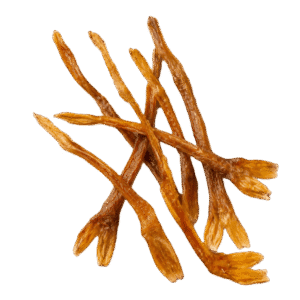
Beef Achilles Tendon
Our Beef Tendons are firm, flavourful treats made for dogs that love to chew. Their naturally tough and fibrous texture
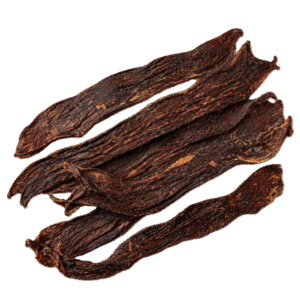
Kangaroo Jerky
Our Long Kangaroo Jerky has been specially selected to give dogs a more satisfying, longer-lasting treat experience. With an average
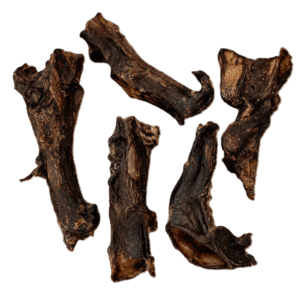
Kangaroo Teeth Cleanser
Our Kangaroo Teeth Cleaners combine the natural flavour of kangaroo with a firm, textured chewing experience dogs love. As your

Kangaroo Tendon Leg
Kangaroo tendons are a delicious, long-lasting natural treat that gives dogs the pleasure and enrichment of chewing. Their firm, fibrous